

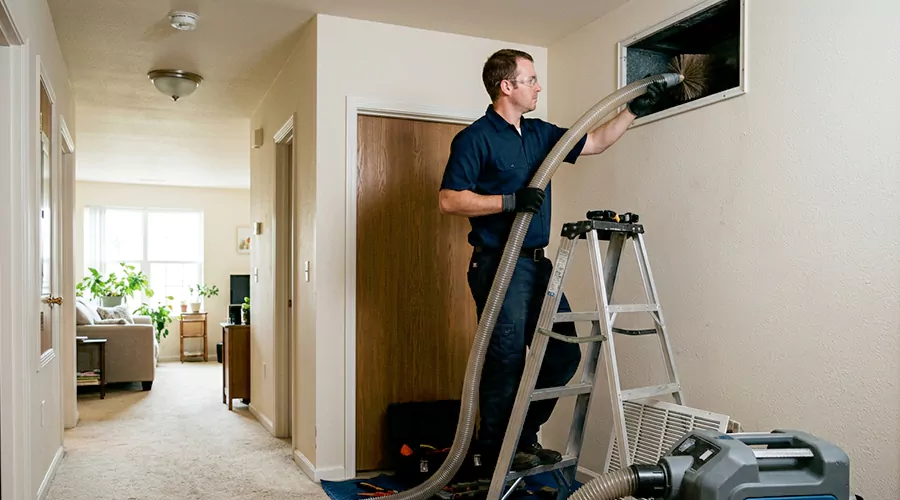
Air duct mold cleaning typically costs $600 to $2,000 for many residential duct remediation projects in the United States in 2026. More extensive contamination involving HVAC equipment can cost $3,000 to $10,000. The final expense depends on the affected materials and whether damaged insulation must be replaced. Ordinary duct cleaning is usually less expensive because it does not address the same contamination problems.
Mold remediation is different from removing normal dust inside a ventilation system. Confirmed fungal growth requires a plan to remove contaminated material and correct the moisture source that allowed it to develop. When mold affects porous duct insulation, replacement may be necessary because cleaning cannot reliably restore the material.
Homeowners should understand what each estimate includes before comparing prices. A low cleaning price may cover only ordinary dust removal, while a higher remediation estimate may include damaged material replacement and moisture repairs. The correct scope matters more than the lowest advertised amount.
What Is the Average Air Duct Mold Cleaning Cost in 2026?
The typical cost of duct mold remediation in 2026 is approximately $600 to $2,000 for many residential projects. However, that range does not cover every possible HVAC contamination problem. More extensive work involving internal equipment or multiple damaged sections can increase the total substantially.
Published 2026 U.S. pricing estimates place many general mold remediation projects between $1,223 and $3,757, with an average near $2,368. HVAC-specific projects can exceed that range because contaminated equipment may require difficult access or replacement of affected materials.
The following table separates common project categories so the figures are not confused.
| Service or Project | Estimated 2026 U.S. Cost | What the Price Generally Covers |
|---|---|---|
| Standard air duct cleaning | $271 to $509 | Removing ordinary dust and debris |
| Air duct inspection | $140 to $380 | Examining duct conditions and possible defects |
| Mold inspection | $303 to $1,075 | Evaluating suspected mold and moisture conditions |
| Duct mold remediation | $600 to $2,000 | Addressing confirmed contamination in ductwork |
| General residential mold remediation | $1,223 to $3,757 | Mold cleanup across different residential locations |
| Extensive HVAC mold remediation | $3,000 to $10,000 | Larger projects involving contaminated HVAC components |
These categories can overlap. For example, a mold remediation estimate may already include inspection or related cleaning. The figures should not automatically be added together because doing so could count the same work more than once.
The condition of the system determines which category applies. A small stain on an exterior grille is not equivalent to confirmed contamination inside insulated ductwork. An accurate estimate begins with identifying what actually needs work.
What Factors Affect the Cost of Mold Removal From Air Ducts?
Air duct mold removal costs depend on how much material is contaminated and how difficult the affected areas are to reach. The type of duct material also matters because some surfaces can be cleaned while others must be replaced. The estimate should reflect the actual conditions rather than a fixed number of vents.
Extent of Contamination
A limited patch of confirmed growth inside an accessible metal duct usually involves less work than contamination affecting several duct branches. Larger affected areas may require additional cleaning equipment or more extensive removal of damaged materials. The amount of contamination also influences how much containment is appropriate during the work.
Visible deposits near one register do not automatically prove that every duct needs remediation. An inspection should establish whether the problem is localized or affects other HVAC components. Treating unaffected sections without a clear reason can increase expenses without addressing the original source.
Type of Duct Material
Bare metal ducts are generally easier to clean because their surfaces are nonporous. Mold can still develop on damp dust deposits, but suitable cleaning methods may restore a sound metal section after moisture conditions are corrected. Cleaning becomes more difficult when growth affects insulation attached to the duct interior.
Fiberglass duct board and internally insulated ducts can retain moisture within their fibers. Once these materials become wet or moldy, cleaning cannot reliably restore them. Removing and replacing the affected sections adds material costs and labor beyond ordinary surface cleaning.
Accessibility of the Ductwork
Ductwork installed in an unfinished basement is usually easier to inspect than a concealed system running above finished ceilings. Limited access can increase the time required to reach affected sections. Additional work may also be necessary when contaminated materials are located inside tight attic spaces.
Accessibility affects both the inspection and the remediation process. A large system with easily reached metal ducts may be less complicated than a smaller system containing concealed contaminated insulation. Comparing estimates should therefore include how workers plan to reach the affected areas.
Condition of the Air Handler
Mold contamination may involve more than the ducts themselves. The evaporator coil area and condensate drain pan can develop moisture problems that affect surrounding HVAC components. When the air handler contains confirmed contamination, the work may require a broader scope.
Cleaning supply ducts without addressing a contaminated air handler may leave part of the problem unresolved. The estimate should identify whether the blower compartment or other relevant components are included. Any damaged materials should also be listed separately so the required work is clear.
Moisture Source and Related Repairs
Mold remediation cannot provide lasting control when water continues entering the system. Common moisture sources include clogged condensate drains and damaged duct insulation. Building leaks may also affect ductwork through ceiling cavities or attic spaces.
Correcting the moisture problem may involve additional work outside the cleaning itself. The total expense therefore depends partly on whether the source is a simple drainage problem or more extensive water damage. An estimate that omits moisture correction may not cover everything needed to prevent recurrence.
How Does Duct Material Change Mold Remediation Costs?
The material used to construct an air duct affects how contamination can be removed. Sound bare sheet metal can often be cleaned when mold is confirmed and the moisture source has been corrected. Porous duct materials may require replacement because fungal growth can extend beneath the visible surface.
The difference is significant when comparing estimates. Physical cleaning of an accessible metal surface requires a different process from removing contaminated insulation. A project involving replacement may also require reconnecting duct sections and restoring surrounding insulation.
| Duct Material | Main Concern | Typical Remediation Approach |
|---|---|---|
| Bare sheet metal | Surface growth on damp deposits | Physical cleaning when suitable |
| Internally insulated metal | Growth within porous liner | Remove and replace affected insulation |
| Fiberglass duct board | Moisture retained inside fibers | Replace moldy sections |
| Flexible insulated duct | Damaged liner or wet insulation | Replace affected sections when necessary |
| Mixed duct system | Different materials throughout system | Evaluate each affected section separately |
The table does not provide fixed replacement prices because the amount of duct material requiring removal must first be measured. A short damaged branch and an extensive contaminated trunk represent different workloads. Pricing should be based on documented affected sections rather than an assumption that every duct requires replacement.
Is Mold Cleaning More Expensive Than Regular Air Duct Cleaning?
Mold remediation is generally more expensive than ordinary duct cleaning because it addresses contamination and moisture problems rather than routine dust accumulation. Standard cleaning uses equipment designed to remove loose debris from HVAC components. Mold remediation may additionally involve controlled material removal or replacement of affected duct sections.
For 2026, ordinary residential air duct cleaning commonly costs approximately $271 to $509. Duct mold remediation is often estimated at $600 to $2,000, while extensive HVAC contamination may cost significantly more. These price ranges overlap in some situations because project size and accessibility differ.
The important distinction is the work being performed. Routine cleaning does not automatically remove mold embedded within porous insulation. Similarly, chemical spraying does not replace physical removal when contaminated material remains inside the system.
A home with dusty registers but no confirmed internal mold should not automatically be charged for remediation. The appropriate service depends on evidence of actual contamination.
Does Mold Testing Increase the Total Cost?
Mold inspections and laboratory testing can add to the total project expense when they are necessary. However, not every suspected mold problem requires extensive sampling. A visible moisture problem accompanied by confirmed growth may provide enough information to plan appropriate cleanup.
Published 2026 U.S. estimates place many mold inspections between $303 and $1,075. Laboratory testing may involve separate charges depending on the number of samples and the type of analysis. The need for testing should depend on the uncertainty being investigated.
For example, testing may be useful when the material is difficult to identify or when the source of a recurring problem remains unclear. Routine air sampling is not automatically necessary when visible growth and an obvious moisture source are already present.
A useful inspection should identify the affected location and determine what caused the moisture problem. Testing without a clear question to answer may increase cost without changing the necessary cleanup.
What Is Included in a Proper Air Duct Mold Remediation Estimate?
A remediation estimate should describe the affected HVAC components and explain how contamination will be removed. It should also identify any materials that require replacement and how the moisture source will be corrected. This makes it possible to understand the work instead of relying only on the quoted total.
The exact scope depends on the condition of the system, but a detailed estimate should address several points:
- Affected areas: Which ducts or HVAC components show confirmed contamination?
- Duct materials: Are the affected sections bare metal or internally insulated?
- Cleaning method: How will contamination be physically removed?
- Material replacement: Which sections cannot be restored through cleaning?
- Moisture correction: What caused the original water problem?
- Containment: How will disturbed material be kept from spreading into occupied rooms?
- Access requirements: Will any concealed components need to be opened?
- Completion checks: How will the condition of affected materials be evaluated after the work?
These details make it easier to distinguish a focused remediation project from a broad cleaning proposal. A quote that lists only chemical fogging without addressing visible growth or moisture leaves important questions unanswered.
The estimate should also clarify whether related repairs are included. If the condensate drainage problem is being handled separately, that limitation should be stated. Clear scope descriptions reduce the risk of unexpected charges during the project.
What Extra Costs Can Appear During Air Duct Mold Remediation?
Additional expenses can arise when an inspection identifies damage beyond the originally visible area. Mold may affect internal insulation or surrounding building materials in concealed spaces. The work required depends on the amount of damaged material and whether access can be gained without disturbing finished surfaces.
Replacing Moldy Insulation
Wet or moldy internal fiberglass duct material generally requires replacement. The cost depends on how much insulation must be removed and whether the affected sections are easily accessible. Replacement can become a major part of the project when contamination extends across several branches.
Repairing Water Damage
A roof leak or plumbing problem may affect surrounding materials as well as the ducts. Correcting the leak may require repairs outside the HVAC system. These expenses should be identified separately because mold cleaning alone cannot restore damaged building components.
Restoring Concealed Access Areas
Some affected ducts may be located behind drywall or above finished ceilings. Access may require controlled opening of surrounding materials followed by restoration after the work. The need for this step depends on the building design and the location of contamination.
Additional Equipment Cleaning
When mold affects the air handler or condensate components, these areas may require treatment beyond the duct passages. Cleaning one section while leaving other contaminated components untreated can allow the original problem to continue. The scope should explain which HVAC components are involved.
How Can You Tell Whether Mold Remediation Is Necessary?
Mold remediation should be based on actual contamination rather than ordinary dust or an unexplained odor alone. Dark material can collect on duct surfaces without being fungal growth. Moisture history and the condition of affected materials help determine whether specialized work is justified.
Several observations deserve particular attention:
- Substantial suspected growth is visible inside an accessible duct section.
- Internal duct insulation appears wet or contaminated.
- Water repeatedly collects near the evaporator coil area.
- A condensate drain problem has caused prolonged dampness.
- Contamination appears on multiple moisture-affected components.
- A building leak has soaked duct materials.
- Visible growth returns after the moisture problem was supposedly corrected.
- The proposed work includes areas where no contamination has been documented.
These observations do not establish that the entire system is affected. A small exterior stain may have a localized explanation, while contamination inside porous duct materials can require more extensive action. The inspection should distinguish between those situations.
How Does the Cost Increase When Mold Damage Gets Worse?
The expense of a mold problem can increase when moisture continues affecting additional materials. Early correction of a drainage issue may prevent contamination from developing within surrounding insulation. Once porous materials become moldy, replacement may be necessary because cleaning alone cannot restore them.
| Problem Stage | Likely Scope | 2026 Cost Context |
|---|---|---|
| Surface staining without confirmed mold | Investigate moisture and clean suitable surfaces | Basic cleaning supplies |
| Suspected internal contamination | Inspect affected components | Mold inspection commonly $303 to $1,075 |
| Confirmed localized duct mold | Remove contamination from affected ducts | Often $600 to $2,000 |
| Widespread HVAC contamination | Address multiple affected components | Approximately $3,000 to $10,000 |
| Extensive damage to porous materials | Replace contaminated sections | Additional scope-dependent expense |
This is a comparison of possible project scopes rather than a guaranteed timeline. Some systems develop localized growth without requiring extensive replacement. Others may experience significant water damage before the homeowner notices a visible stain.
The best way to limit escalation is to correct the original moisture problem promptly. Repeatedly paying for surface cleaning while water continues entering the system can result in additional expenses without lasting improvement.
Can You Reduce Air Duct Mold Removal Costs?
The most effective way to reduce mold-related expenses is to prevent moisture from damaging duct materials. Regular HVAC maintenance can identify condensation and drainage problems before they affect larger areas. Addressing the correct cause also reduces unnecessary spending on treatments that do not remove contamination.
Homeowners can begin with a few basic preventive checks:
- Monitor indoor humidity and aim for approximately 30% to 50% when practical.
- Check accessible condensate drainage areas for standing water.
- Inspect exposed duct insulation for dampness or damage.
- Investigate repeated water staining around supply vents.
- Repair building leaks promptly.
- Replace HVAC filters according to manufacturer instructions.
- Document any recurring moisture problem before it spreads.
Preventive maintenance does not guarantee that mold will never appear. However, dry materials are less likely to support fungal growth. Protecting duct insulation from repeated moisture can also reduce the chance of needing replacement work later.
Another way to avoid unnecessary expense is to confirm the difference between ordinary duct cleaning and actual remediation. A general cleaning quote should not be treated as a complete solution to confirmed mold in porous materials.
When Should You Call a Professional?
Professional assessment is appropriate when substantial suspected mold appears inside ductwork or affects internal HVAC components. Wet duct insulation and extensive water damage also require specialized evaluation because household cleaning cannot reliably restore these materials. The purpose is to identify the affected areas and establish the correct scope before work begins.
A qualified HVAC technician can examine condensate drainage and determine whether damaged duct connections are contributing to moisture. A mold remediation specialist may assess contamination involving porous materials or concealed sections. The recommended procedure should follow the construction and condition of the affected components.
When comparing estimates, request documentation showing the affected areas and an explanation of proposed removal methods. Replacement recommendations should identify exactly which materials cannot be cleaned effectively. A proposal based only on ordinary surface dust does not justify extensive mold remediation.
How Can You Prevent Paying for Repeated Mold Cleaning?
Repeated mold remediation may become necessary when the moisture source remains unresolved. The visible contamination can be removed while condensation or leakage continues affecting the same surfaces. Long-term prevention depends on correcting those conditions before new growth develops.
Maintain Condensate Drainage
Check accessible cooling equipment for signs of standing water or drainage overflow during routine HVAC maintenance. The condensate system should remove water produced while the air conditioner operates. Correcting a blocked drain can prevent surrounding materials from remaining damp and developing contamination.
Protect Duct Insulation
Inspect accessible duct sections for damaged insulation or exposed cold surfaces. Condensation may develop when humid air contacts poorly insulated supply ductwork. Repairing identified insulation defects reduces the likelihood of repeated moisture problems.
Control Indoor Humidity
Use a hygrometer to monitor relative humidity during humid weather. Excess moisture can increase condensation on cold HVAC surfaces, particularly when cooling equipment is operating frequently. Maintaining suitable humidity helps protect surrounding materials from recurring dampness.
Conclusion
Air duct mold cleaning commonly costs $600 to $2,000 in 2026, while extensive HVAC remediation can reach $3,000 to $10,000. The actual expense depends on contamination and the materials involved. Ordinary dust cleaning is not the same as mold remediation. Correcting moisture prevents repeated damage and unnecessary expense. Before approving major work, obtain a documented assessment of the affected components and proposed repairs.